The hard part is over. The avocados have finally given, the peaches smell like peaches, the mango yields at the stem. Now there's one decision left: where does it actually go? Get that wrong and perfectly ripe fruit can slump into mush within a day. Get it right and you buy yourself a week of good eating.
There's no single answer, because fruit doesn't behave like a single category. Ripe fruit is still alive — breathing, releasing ethylene, losing water through its skin. What it needs depends on where it grew, how thick that skin is, and how soon you plan to eat it.
Ethylene. Apples, pears, bananas, avocados, mangoes, stone fruit and tomatoes keep producing ethylene as they ripen. Berries, grapes, citrus and salad leaves are sensitive to it and will soften and spot faster if they're stored alongside. A ripe apple in a fruit bowl is quietly ageing everything around it.
Cold tolerance. Chilling injury is real. Tropical fruit — bananas, whole mangoes, papayas, pineapples, avocados, uncut melons — reacts badly to domestic fridge temperatures, going black-skinned, watery and dull in flavour.
Moisture and airflow. Too much trapped moisture and you get mould; too little and fruit shrivels. Most ripe fruit wants to be dry, cool and gently ventilated.
Bananas are the obvious case. Once ripe, a banana holds for two to four days in a cool room, less in a warm kitchen. Break the bunch apart — fruit ripens faster in company — and keep it away from other fruit. If the skin is speckling and you're not ready to eat them, peel, slice and freeze. The fridge will blacken them within hours, and although the flesh stays sweet, the texture turns unpleasant.
Keep whole mangoes, papayas, pineapples, avocados, uncut melons and tomatoes out of the fridge too. Cold damages their cell structure, which shows up as a mealy texture and flattened flavour. Once cut, everything changes: cut fruit goes into the fridge, covered, and gets eaten within two to three days.
Choose a counter spot that's cool and away from direct sun. A bowl by a south-facing window can push fruit from ripe to over-ripe quicker than you'd think.
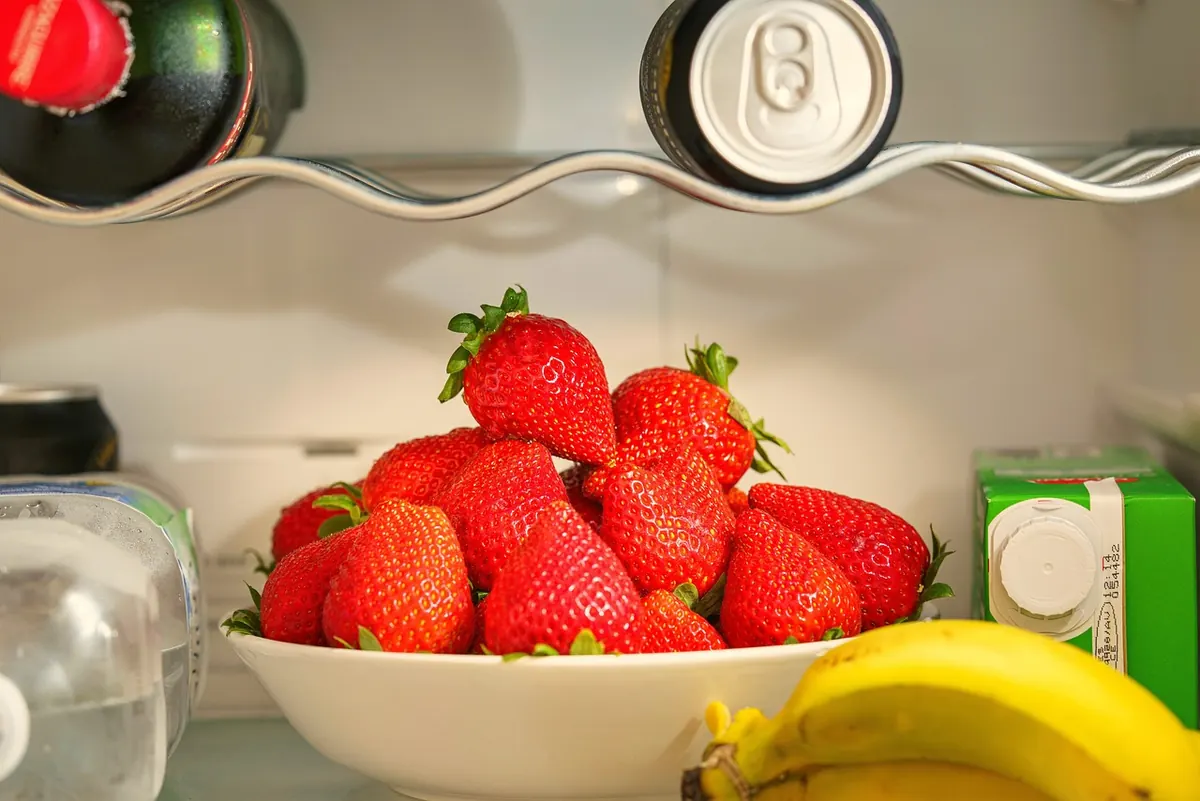
Most fully ripe fruit belongs in the fridge, where cold slows the enzymes behind softening and sugar loss. Berries first. Strawberries, raspberries, blueberries and blackberries keep well for three to five days in a single layer on kitchen paper, in a container with the lid left slightly ajar. Don't rinse them until just before eating — surface water is what invites mould.
Cherries and grapes like the same treatment: dry, in a breathable bag, five to seven days. Stone fruit — peaches, nectarines, plums, apricots — goes into the salad drawer once ripe, where it will hold three to five days. Take them out twenty minutes before eating; cold mutes the aroma that makes a peach taste like a peach.
Apples and pears last longer than most people assume. A fridge salad drawer gives apples two to four weeks and pears about a week. Keep them away from berries and salad leaves: both release a lot of ethylene, and an enclosed fridge concentrates it.
Cut fruit of any kind — melon chunks, mango slices, a halved avocado with the stone left in and the cut surface pressed with cling film — needs covering and refrigeration.
Freezing won't give you fresh texture back. Berries go soft, stone fruit releases juice, bananas turn creamy. That's fine if you're heading for smoothies, compotes, baking or sauces — and it's far better than binning fruit you can't finish.
A squeeze of lemon juice over sliced peaches, apples or pears helps hold their colour. A light dusting of sugar draws out juice and keeps slices firmer — optional, but useful for pie fillings.
Spot a bit of mould on a strawberry or peach and throw the whole item away — mould threads run further through soft fruit than the visible patch suggests, and a quick trim won't make it safe. Check the box too; one mouldy berry spoils its neighbours fast.
Fruit that's merely past its best is different. Wrinkled plums, spotted bananas, squidgy mangoes and collapsing berries are ideal for compote, smoothies, banana bread, quick chutneys or a tomato sauce. Softness isn't spoilage — mould, fizzing, leaking liquid or an off smell is.
On the day you shop, sort everything: fruit that needs ripening onto the counter, fruit already ripe straight into the fridge. Then do a thirty-second check each morning. Anything that's turned, move it. Anything on the counter that's ready, refrigerate it. Anything you won't eat in the next few days, freeze it.
Keep one shelf or drawer as your "eat first" zone, so the ripest fruit is the first thing you see. That single habit saves more fruit than any container. And it means that when you do reach for the peaches, they're still worth the wait.
Photo: rperucho / Pixabay
Simple UK recipes that turn soft, overripe bananas, berries and stone fruit into banana bread, smoothies, compote...
A practical guide to the low-cost kit that controls humidity, airflow and ethylene when ripening fruit at home, from...
Learn how to ripen green tomatoes indoors before frost using paper bags, boxes and trays, with simple light and...

Bring your fruit to perfect ripeness at home.
