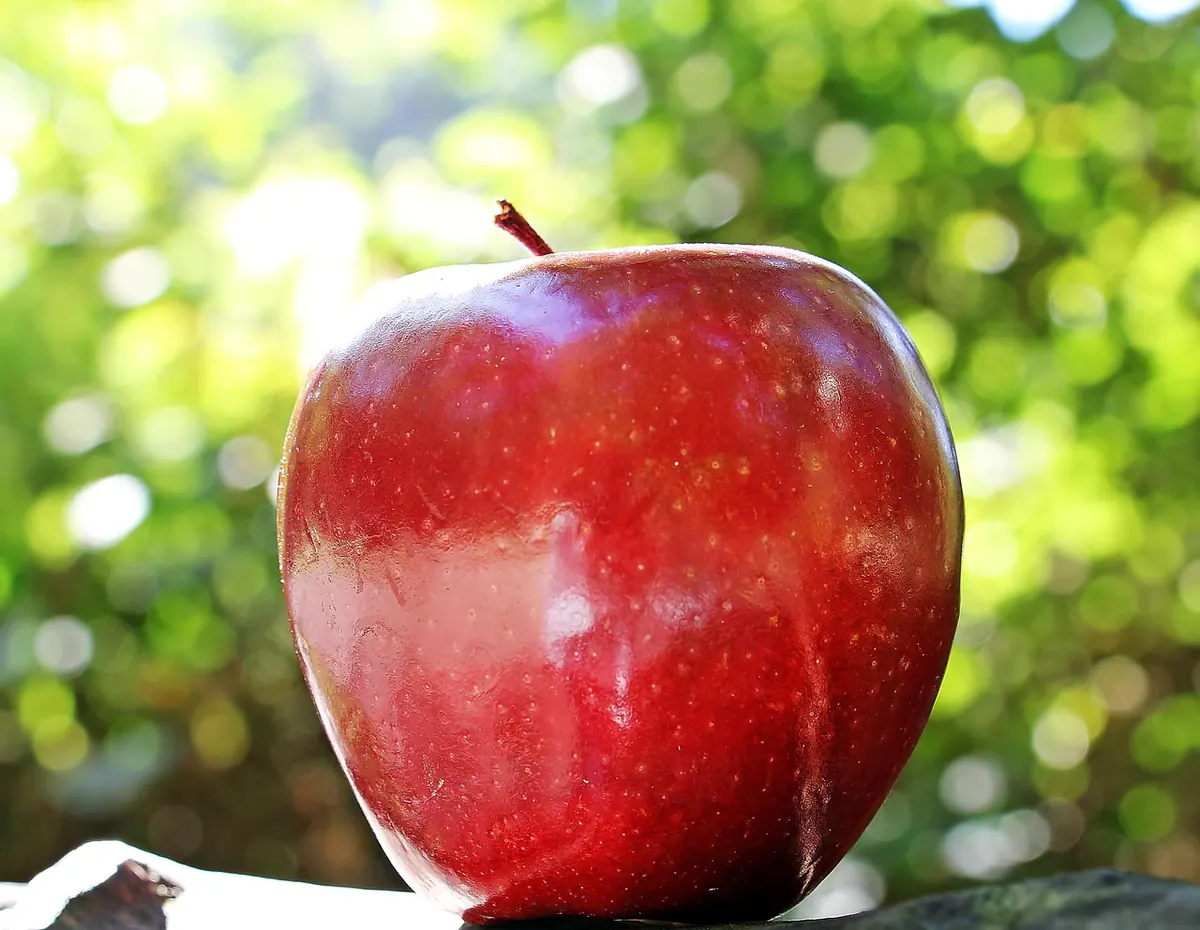
Leave a rock-hard pear on the worktop and it will sit there for days. Put that same pear in a paper bag with a ripe banana, and by tomorrow evening it will be soft, fragrant and ready to eat. Nothing was added and nothing was cooked. The banana simply breathed out a gas that the pear had been waiting for.
That gas is ethylene. Once you understand how it behaves, a lot of confusing kitchen advice suddenly makes sense — why apples spoil the salad drawer, why avocados are sold hard as stones, why one bad fruit ruins the bowl. This guide covers what ethylene is, which fruits respond to it, and how to speed up or slow down ripening with things you already have at home.
Ethylene is a natural plant hormone, and at room temperature it is a gas. You cannot see or smell it at the levels found in a fruit bowl, but it is doing real work. It acts as a signal, telling a fruit to begin the final stage of ripening: starch converting to sugar, acids mellowing, cell walls loosening so the flesh softens, and aroma compounds developing.
Two things about it are worth remembering. First, ripening fruit produces more of it, and that extra ethylene encourages everything nearby to ripen too. A ripe apple in a bowl really will hurry along its neighbours. Second, ethylene does not create ripeness from nothing. It switches on processes the fruit is already capable of, which is why it works brilliantly on some produce and barely at all on others.
Fruit splits broadly into two groups, and the difference decides whether a disappointing purchase can be rescued.
Climacteric fruit continues to ripen after picking. It releases a burst of ethylene as it does so, and it responds to ethylene from outside. Leave it somewhere warm and it will soften and sweeten; chill it and the whole process slows to a crawl. This group includes:
Non-climacteric fruit — citrus, grapes, strawberries, raspberries, blueberries, pineapple and watermelon — does not ripen further once picked. It may colour up slightly, but it will not get sweeter. Ethylene does little to improve it and mainly hurries it towards spoilage. A hard, pale strawberry will never become a good one, so buy these on quality rather than hope.
Speed comes down to three things: warmth, trapped ethylene, and a companion that is already ripe.
A fruit bowl does the same job more slowly. That is why the bananas at the bottom are always the first to go.
Slowing things down is mostly about cold and separation.
One further rule: don't wash berries until you are about to eat them. Damp fruit moulds fast.
The skin will blacken within a day or two, but that is cold damage to the peel rather than the fruit inside. The flesh stays firm and sweet and will keep several days longer than on the counter. If the look bothers you, leave bananas out until they reach the ripeness you want, then chill them.
Cold dulls their flavour and gives the flesh a mealy texture. Keep them on the worktop, out of direct sun, and away from the fruit bowl if you want them to last. Refrigerate only once they are fully ripe and you can't eat them in time.
One bruised apple genuinely does speed up the decline of everything around it, because damaged tissue releases a great deal of ethylene. Pull out soft or mouldy fruit the moment you spot it.
A simple routine covers most of it. Bring fruit home and sort it: hard fruit goes on the worktop to ripen, already-ripe fruit goes in the fridge. Keep a paper bag and one ripe banana to hand for anything that needs hurrying along, and check that bag daily rather than forgetting about it. Store ethylene producers away from sensitive vegetables, and never seal a ripe fruit in plastic and leave it for a week.
You are not really controlling the fruit. You are deciding how much of its own ripening signal it is allowed to hear — and that single idea will save you more waste than any gadget.
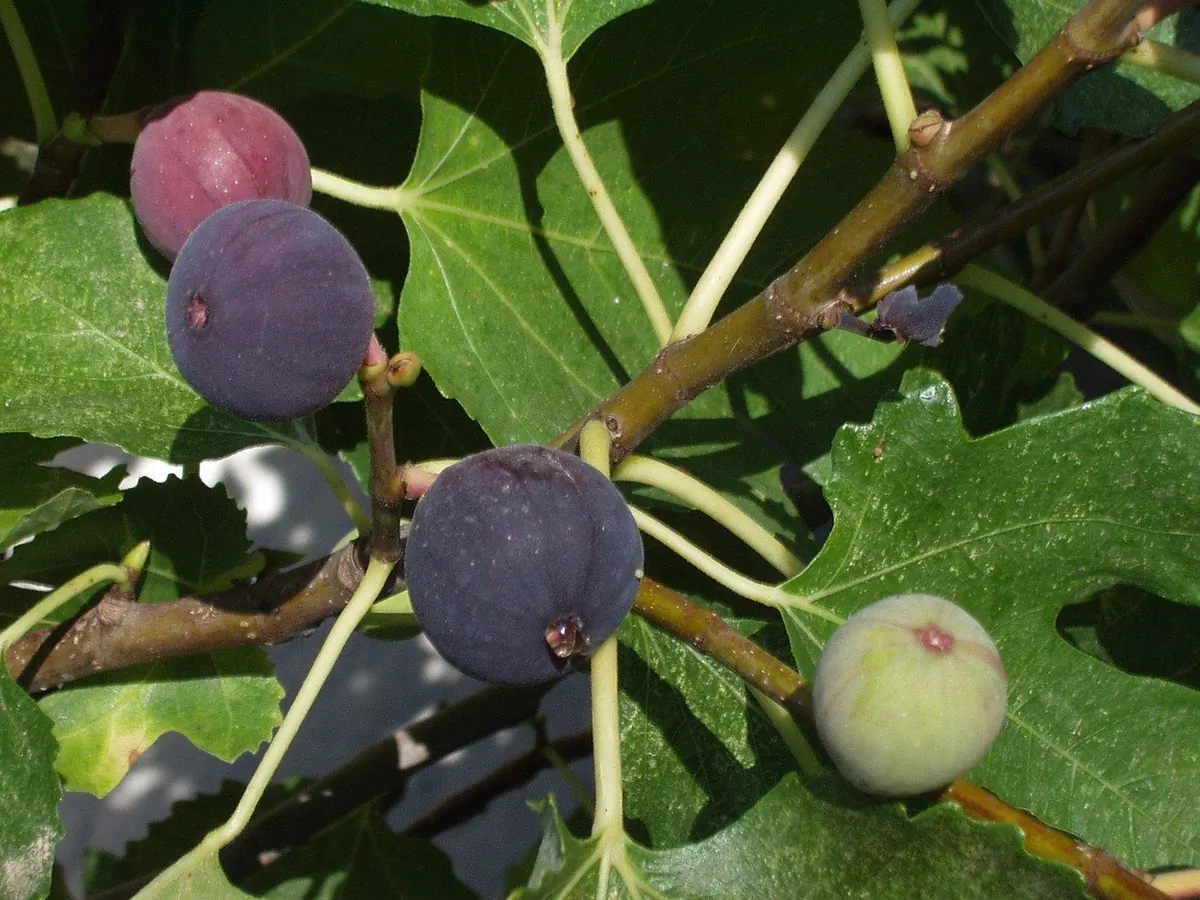
Photo: NoName_13 / Pixabay
Simple UK recipes that turn soft, overripe bananas, berries and stone fruit into banana bread, smoothies, compote...
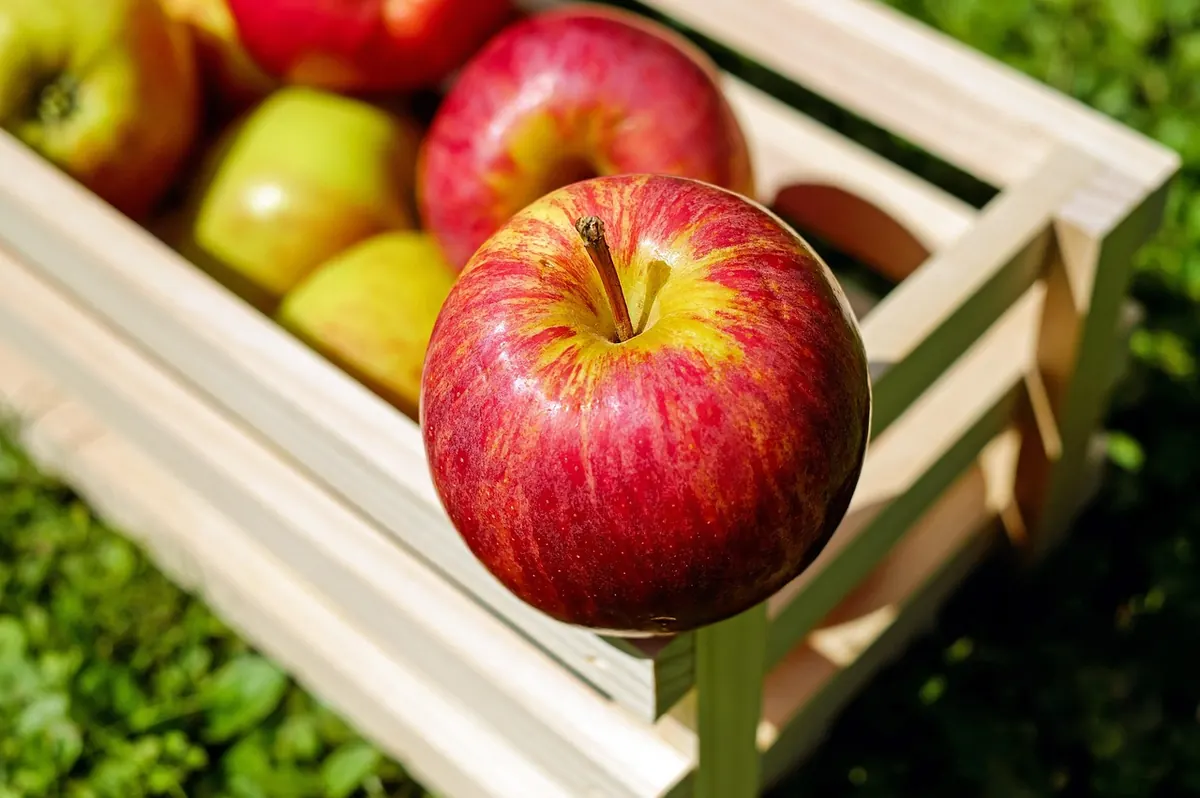
A practical guide to the low-cost kit that controls humidity, airflow and ethylene when ripening fruit at home, from...
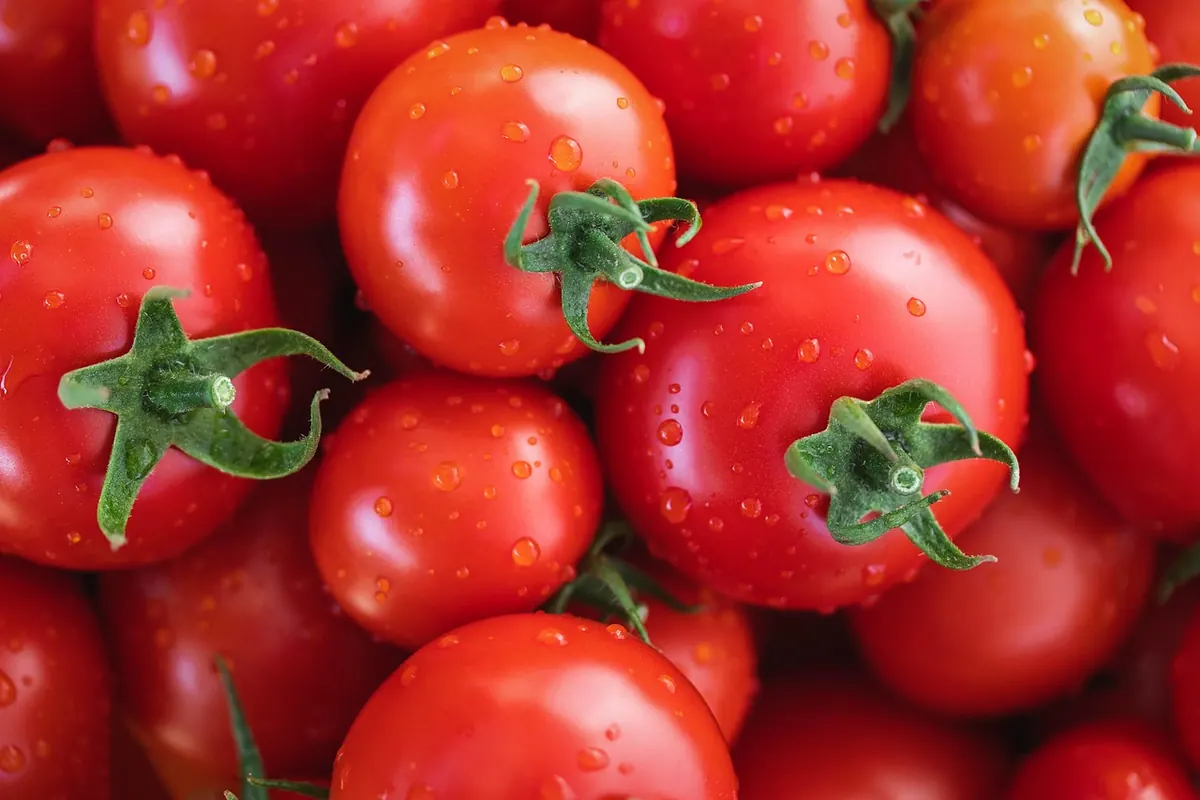
Learn how to ripen green tomatoes indoors before frost using paper bags, boxes and trays, with simple light and...

Bring your fruit to perfect ripeness at home.
