You've seen the flashing banners, the Twitch streamers raking in crypto, and the endless ads promising a life-changing jackpot. Maybe you've dabbled in a few spins or tried your luck at an online poker table. But if you're still treating iGaming like a lottery ticket—pure luck, zero strategy—you're leaving money and satisfaction on the table. The truth is, the digital gambling world is a complex ecosystem with its own rules, rhythms, and ruthless math. Whether you're into slots, sports betting, or grinding the poker micros, understanding the machinery behind the screen is what separates a casual pastime from a calculated hobby. Let's pull back the curtain.
Slots are the bread and butter of any casino floor, physical or virtual. They're simple, flashy, and require zero skill—which is exactly why they're so dangerous for your bankroll. But 'zero skill' doesn't mean 'zero knowledge.' The key metric here is Return to Player (RTP). A slot with a 96% RTP pays back, on average, $96 for every $100 wagered over millions of spins. That 4% house edge might sound tiny, but it compounds fast. Compare that to a 92% RTP slot, and you're bleeding cash twice as quickly.
Then there's volatility. High-volatility slots like Book of Dead or Bonanza promise massive multipliers but can eat your balance for hours before a single meaningful win. Low-volatility games like Starburst pay small and often, keeping you in the game longer. Neither is 'better'—it depends on your goal. Want a long session on a small budget? Go low. Chasing a jackpot? Go high and accept the risk.
One more thing: autoplay is a trap. It removes the psychological friction of hitting 'spin' and turns a fun session into a zombie-like drain. Use it sparingly, or not at all.
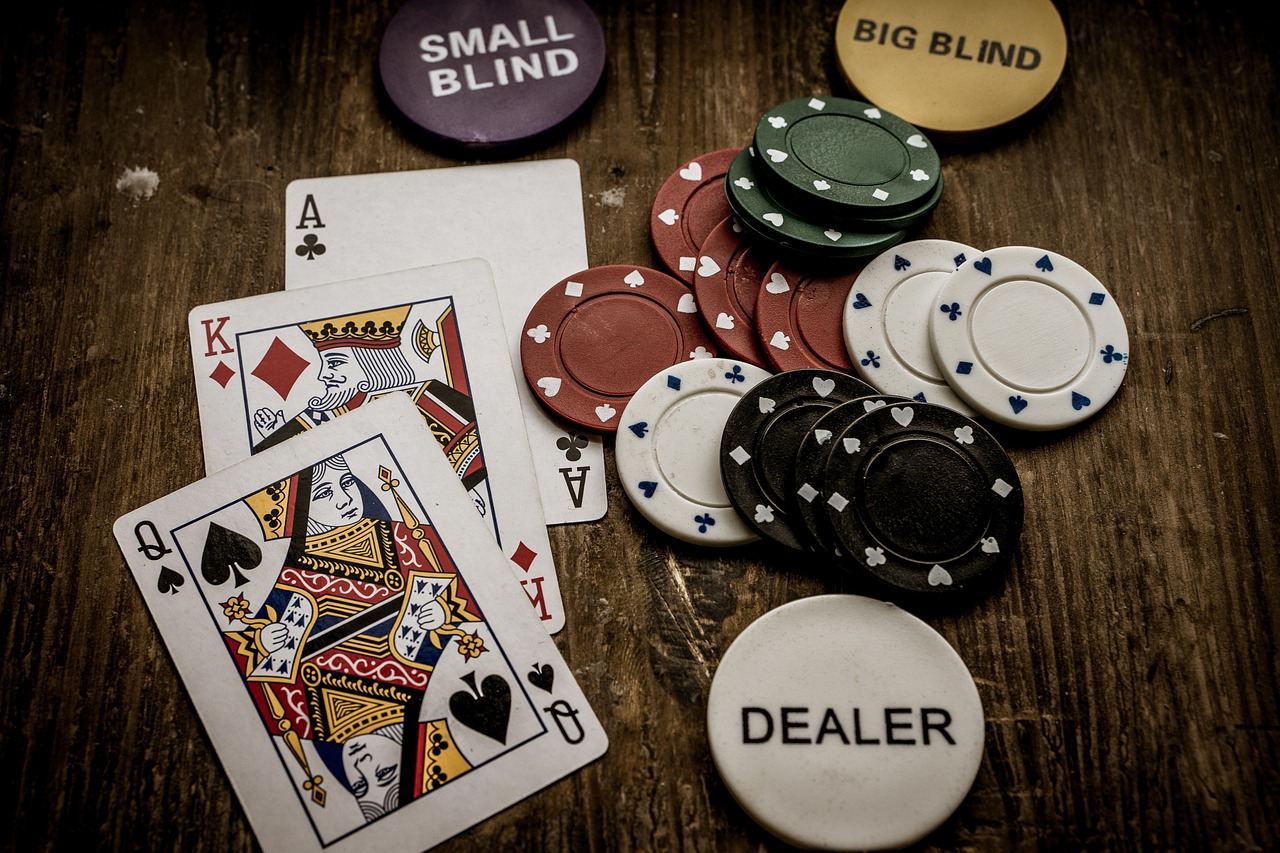
If slots are a rollercoaster, poker is a chess match with cards. It's the only major iGaming vertical where skilled players can consistently profit. The house doesn't play against you; it just takes a rake (a small cut of each pot). Your opponents are other humans—many of them bad, tilted, or distracted. That's your edge. For practical tips, check out slot dana.
But the learning curve is brutal. Beginners often jump into cash games, lose a few buy-ins, and blame bad luck. The smart ones start with micro-stakes Sit & Gos or freerolls to learn the rhythms: position, pot odds, bet sizing, and player tendencies. A concrete tip: track your hands with software like PokerTracker or Hold'em Manager. You'll quickly spot leaks—like playing too many hands from early position or calling too many river bets.
Also, bankroll management is non-negotiable. A common rule: never buy into a cash game for more than 5% of your total poker bankroll. If you have $500, play $25 buy-in tables. This keeps variance from wiping you out during a downswing.
Sports betting has exploded thanks to mobile apps and in-play markets. But most bettors lose because they bet with their hearts, not their heads. The bookmaker's edge is baked into the odds—often 4–8% on standard bets. To beat that, you need to find value: when the true probability of an outcome is higher than the implied probability from the odds.
Example: A team is priced at +150 (implied probability ~40%). You've done your research and believe their true chance is 45%. That's a value bet. Over time, those small edges compound. But you won't find them by following Twitter 'experts' or betting on your favorite team every week. You need data: injury reports, weather, lineup rotations, and historical matchups.
Another trap: parlays and same-game parlays. They're heavily promoted because the house edge skyrockets with each leg. Stick to straight bets or small, calculated parlays if you must. And always shop for the best line—different books offer different odds on the same event. A half-point difference in spread betting can be the difference between profit and loss.
No matter which game you play, this is the single most important rule: never gamble with money you can't afford to lose. Treat your bankroll as a separate, expendable entertainment fund. Here's a simple framework:
Discipline here is boring, but it's the difference between a fun hobby and a financial disaster. The casinos and sportsbooks rely on you chasing losses. Don't give them that satisfaction.
Welcome bonuses look juicy—100% match up to $500, 50 free spins, etc. But read the terms. Most come with wagering requirements: you must bet the bonus amount (or bonus + deposit) a certain number of times before withdrawing. A 40x wagering requirement on a $100 bonus means you need to place $4,000 in bets. At a 4% house edge, you'll likely lose most of it.
Also watch for:
My advice: only claim bonuses if you were planning to play anyway. Never deposit just to get a bonus—that's the tail wagging the dog.
iGaming can be thrilling, social, and even profitable if you approach it with a clear head. The slots will always have a house edge; poker and sports betting offer a chance to outsmart the market. But the common thread is discipline. Know the math, manage your money, and never chase losses. The players who last aren't the ones who hit a huge jackpot on their first spin—they're the ones who treat every session as a calculated decision, not an emotional reflex. So next time you log in, ask yourself: are you playing the game, or is the game playing you?

Simple UK recipes that turn soft, overripe bananas, berries and stone fruit into banana bread, smoothies, compote...

A practical guide to the low-cost kit that controls humidity, airflow and ethylene when ripening fruit at home, from...

Learn how to ripen green tomatoes indoors before frost using paper bags, boxes and trays, with simple light and...

Bring your fruit to perfect ripeness at home.
